Mt. Daibosatsu — Ridgeline Walk with Stunning Fuji Views
At 2,057m, Mt. Daibosatsu offers one of the finest ridgeline walks in the Tokyo region. The trail from Kamihikawa Pass is accessible to beginners, rewarding hikers with breathtaking views of Mt. Fuji and the Southern Alps.
Nearest Station
🚉 Enzan Station
JR Chuo Line (about 1 hr 40 min by limited express from Shinjuku) + bus about 40 min
Duration
⏱ About 4–5 hours (loop)
Distance
📏 About 7km
Elevation
⛰ 2057m
Best Season
Spring, Summer, Autumn
Registration
✅ Not Required
Gear Level
🎒 Standard Gear
Mountain Huts
🏠 Kaizanso
🏠 Lodge Chobei
Trail Overview
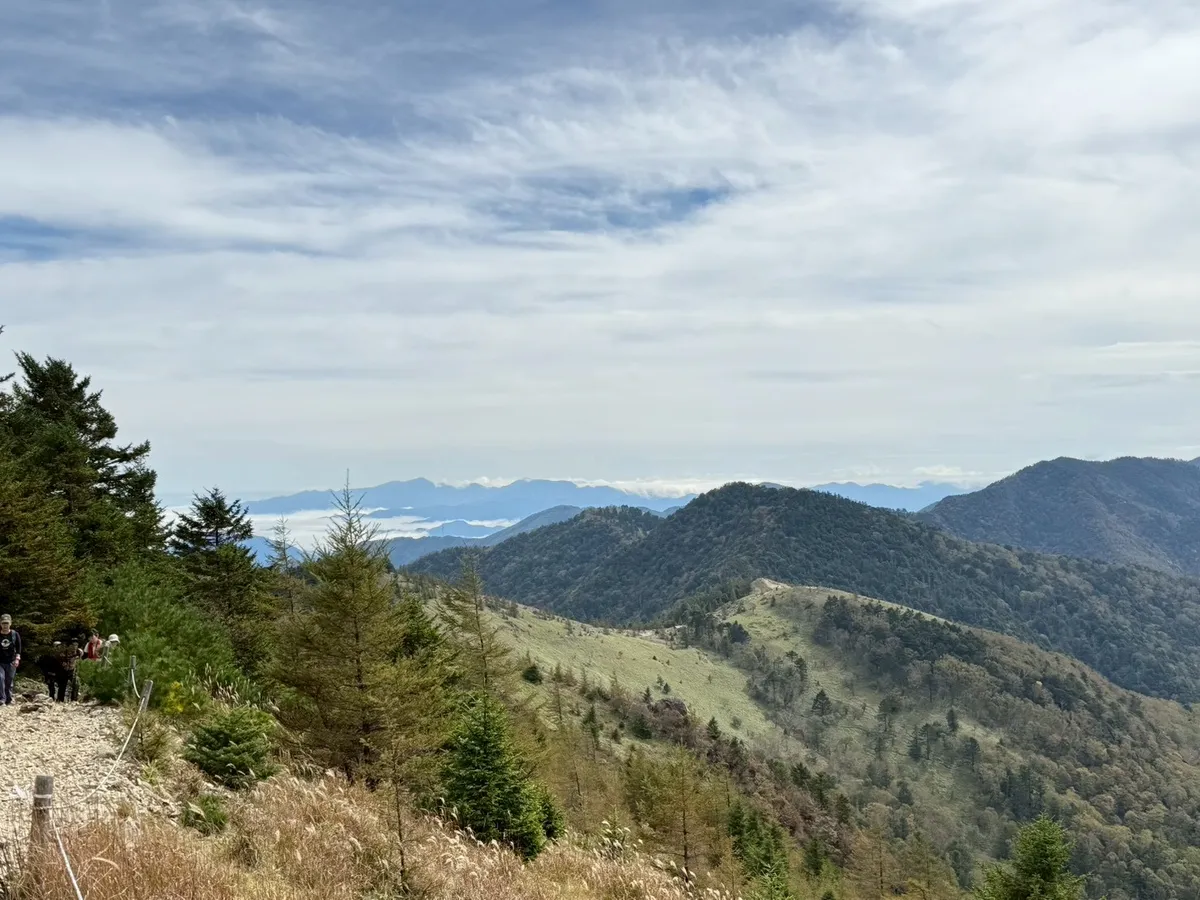
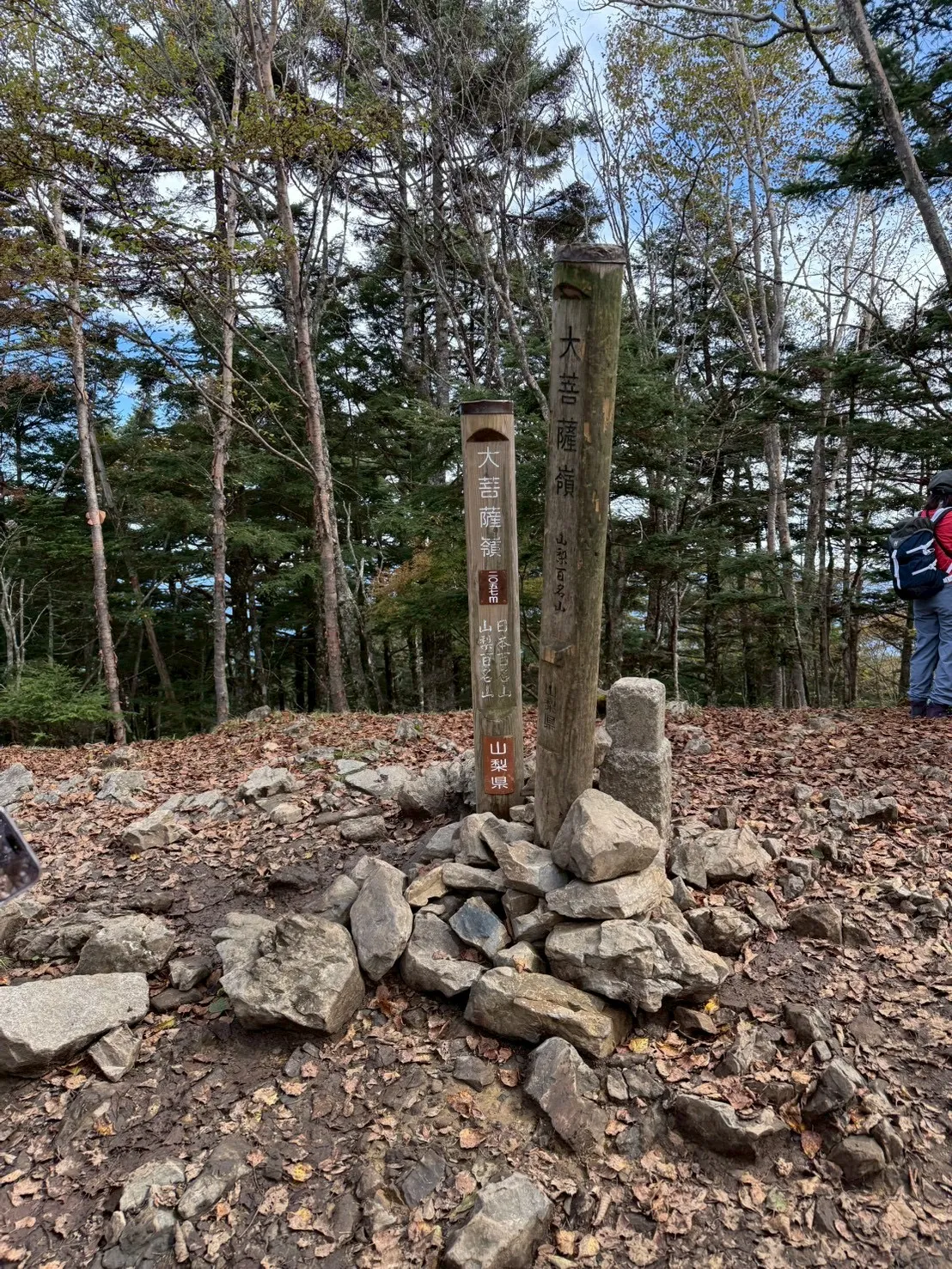
Mt. Daibosatsu (大菩薩嶺, Daibosatsu-rei) is a 2,057m peak in Koshu City, Yamanashi Prefecture, and is Hyakumeizan No. 39. The mountain is also famous as the setting for the classic Japanese novel “Daibosatsu Pass” by Nakazato Kaizan.
The highlight is the open ridgeline walk between Daibosatsu Pass and Kaminari-iwa (Thunder Rock). With Mt. Fuji directly ahead, the Kofu Basin below, and the Southern Alps in the distance, this ridgeline offers one of the finest panoramas among Japan’s 100 Famous Mountains.
Since Kamihikawa Pass (1,585m) is accessible by car or bus, you only need to climb about 450m to reach a summit above 2,000m — making this an exceptionally rewarding hike for the effort required.
Recommended Route: Kamihikawa Pass Loop
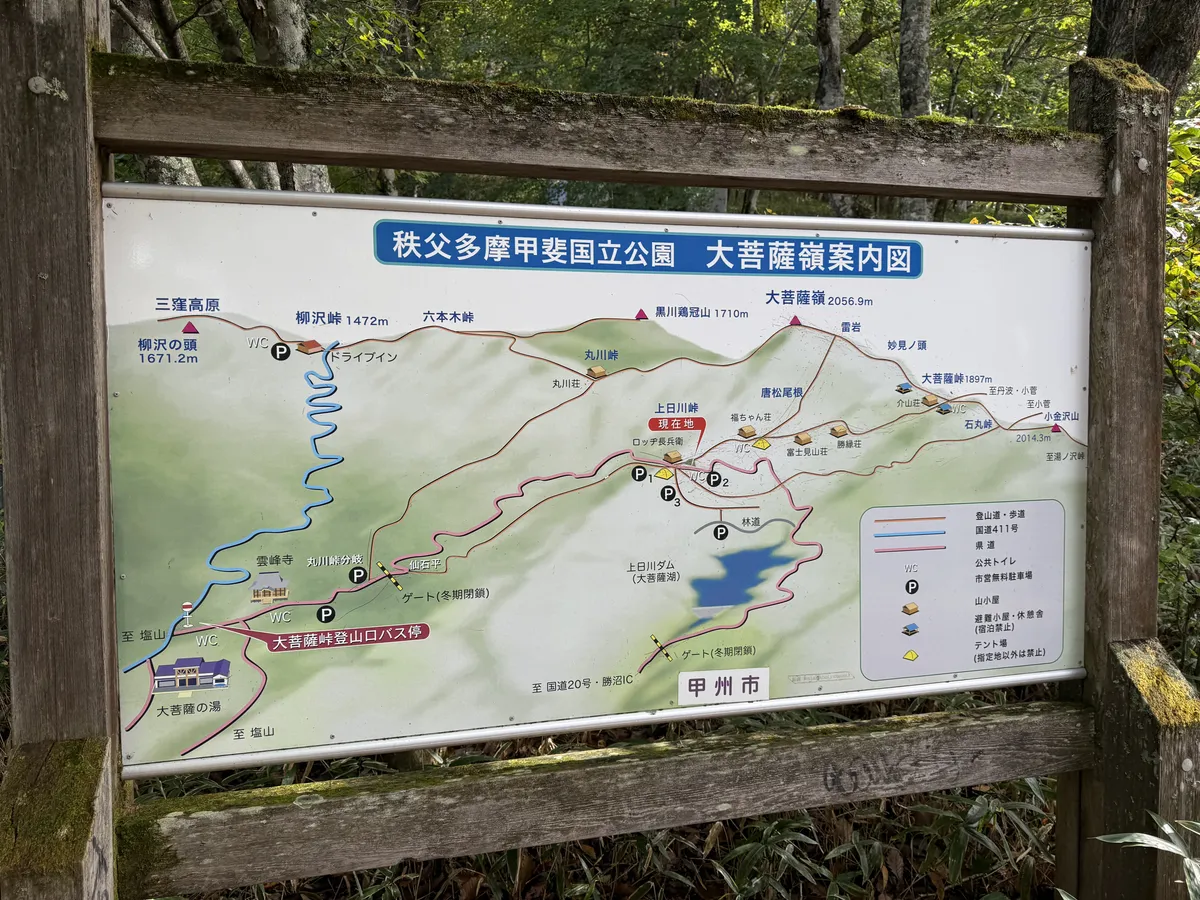
The most popular route, looping through Daibosatsu Pass, along the ridgeline to the summit, and returning via the Karamatsu Ridge.
Course Time
| Section | Duration |
|---|---|
| Kamihikawa Pass → Fukuchan-so | About 20 min |
| Fukuchan-so → Daibosatsu Pass (Kaizanso) | About 50 min |
| Daibosatsu Pass → Kaminari-iwa | About 50 min |
| Kaminari-iwa → Mt. Daibosatsu summit | About 10 min |
| Mt. Daibosatsu summit → Kaminari-iwa | About 10 min |
| Kaminari-iwa → Fukuchan-so (Karamatsu Ridge) | About 40 min |
| Fukuchan-so → Kamihikawa Pass | About 20 min |
| Total | About 3.5 hours |
Tip: The ridgeline from Daibosatsu Pass to Kaminari-iwa is the highlight. Morning offers the clearest views of Mt. Fuji, so an early start is recommended.
Access Information
- Train: JR Chuo Line to Enzan Station (about 1 hr 40 min by limited express Kaiji/Azusa from Shinjuku)
- Bus: Yamanashi Kotsu bus from Enzan Station to Kamihikawa Pass, about 40 min (seasonal service, mainly weekends/holidays from mid-April to early December)
- Car: About 40 min from Katsunuma IC on the Chuo Expressway. Free parking at Kamihikawa Pass (about 100 spaces)
- Taxi: About 30 min from Enzan Station to Kamihikawa Pass (alternative when bus is not running)
Note: The bus to Kamihikawa Pass is seasonal. Outside the operating period, use a taxi or walk from Sakeishi (about 2 hours on foot).
Convenience Stores, Shops & Restrooms
Convenience Stores (within 5 min of trailhead)
- FamilyMart near Enzan Station (stop by before boarding the bus)
- No convenience stores at Kamihikawa Pass — buy food and drinks at the station
Shops & Teahouses
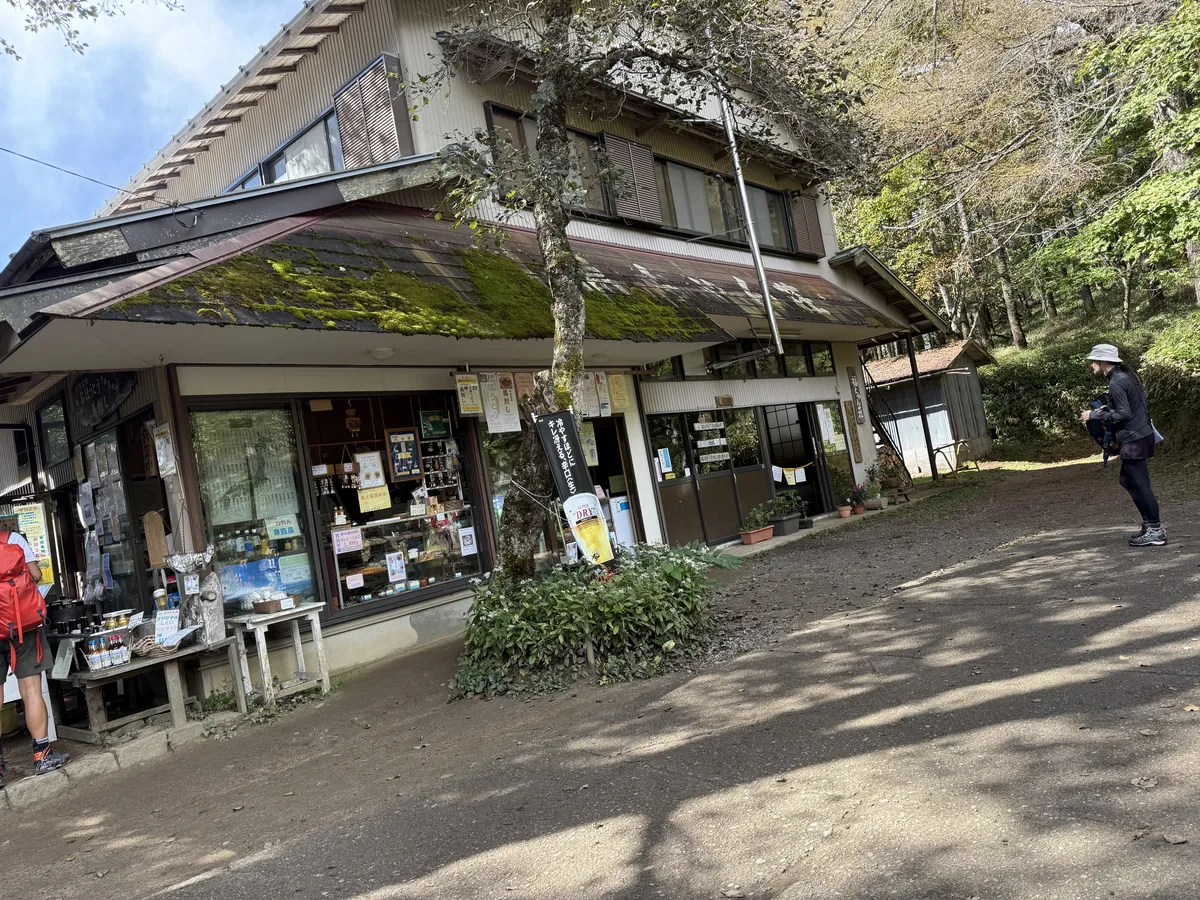
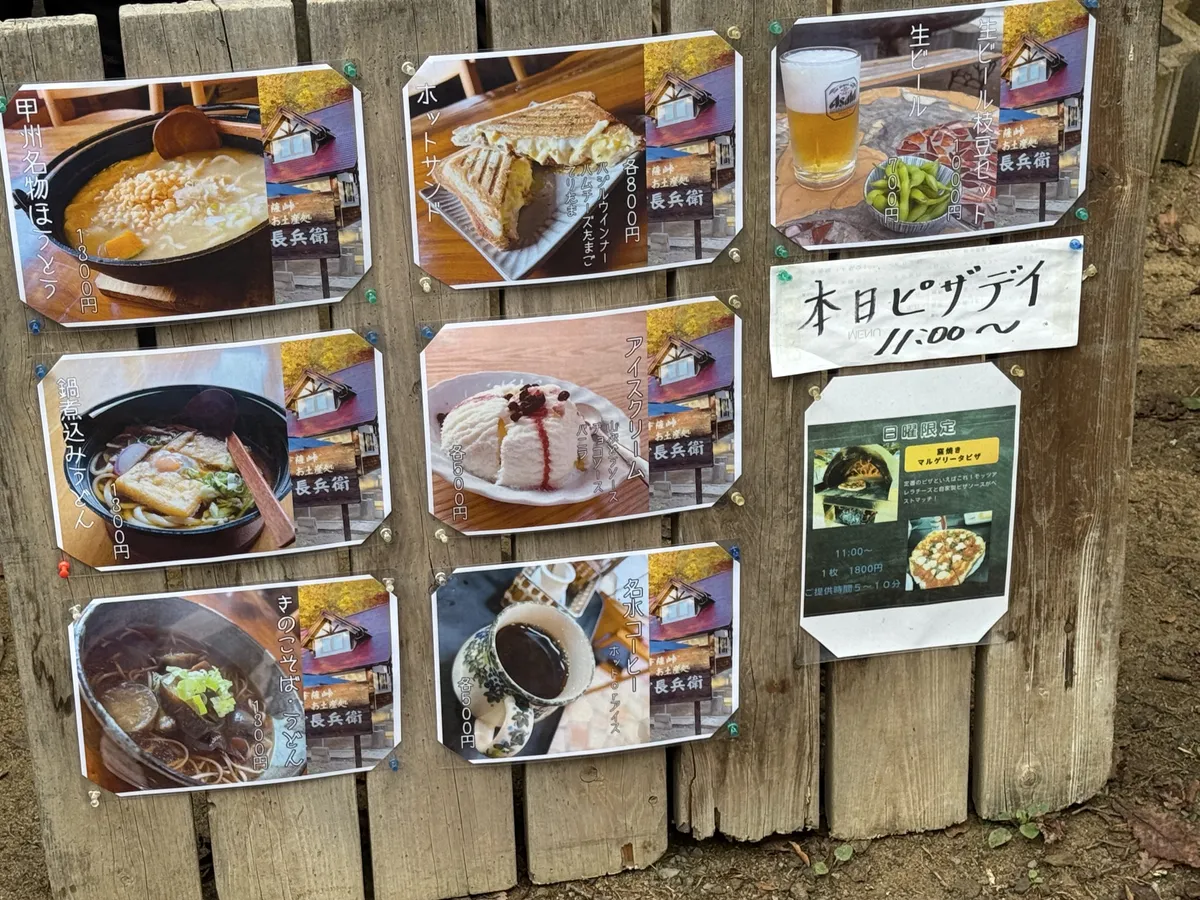
- Lodge Chobei (Kamihikawa Pass): Light meals and drinks available, also offers accommodation
- Fukuchan-so: Light meals and drinks available
- Kaizanso (Daibosatsu Pass): Light meals, drinks, and souvenirs available
Restrooms
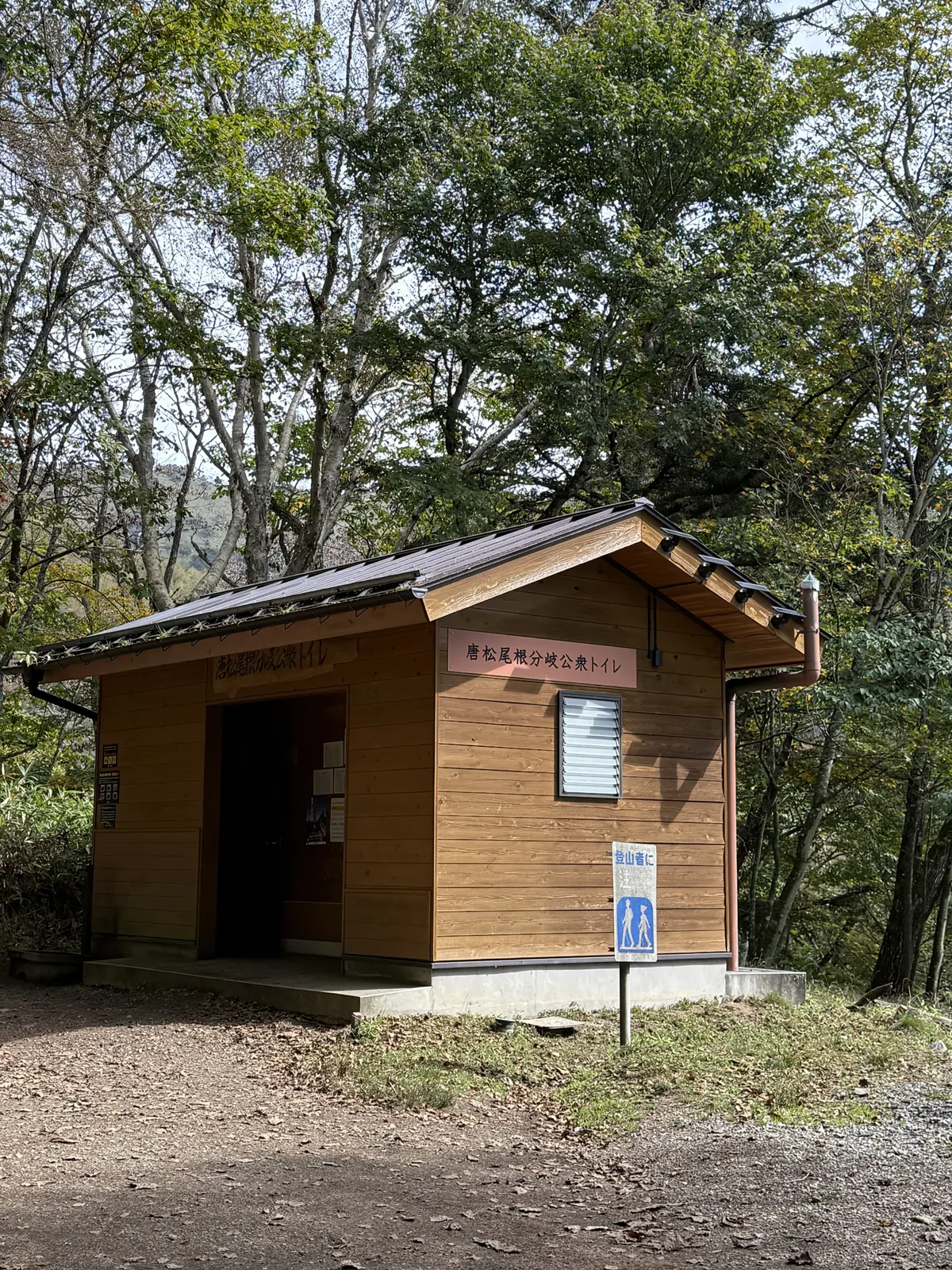
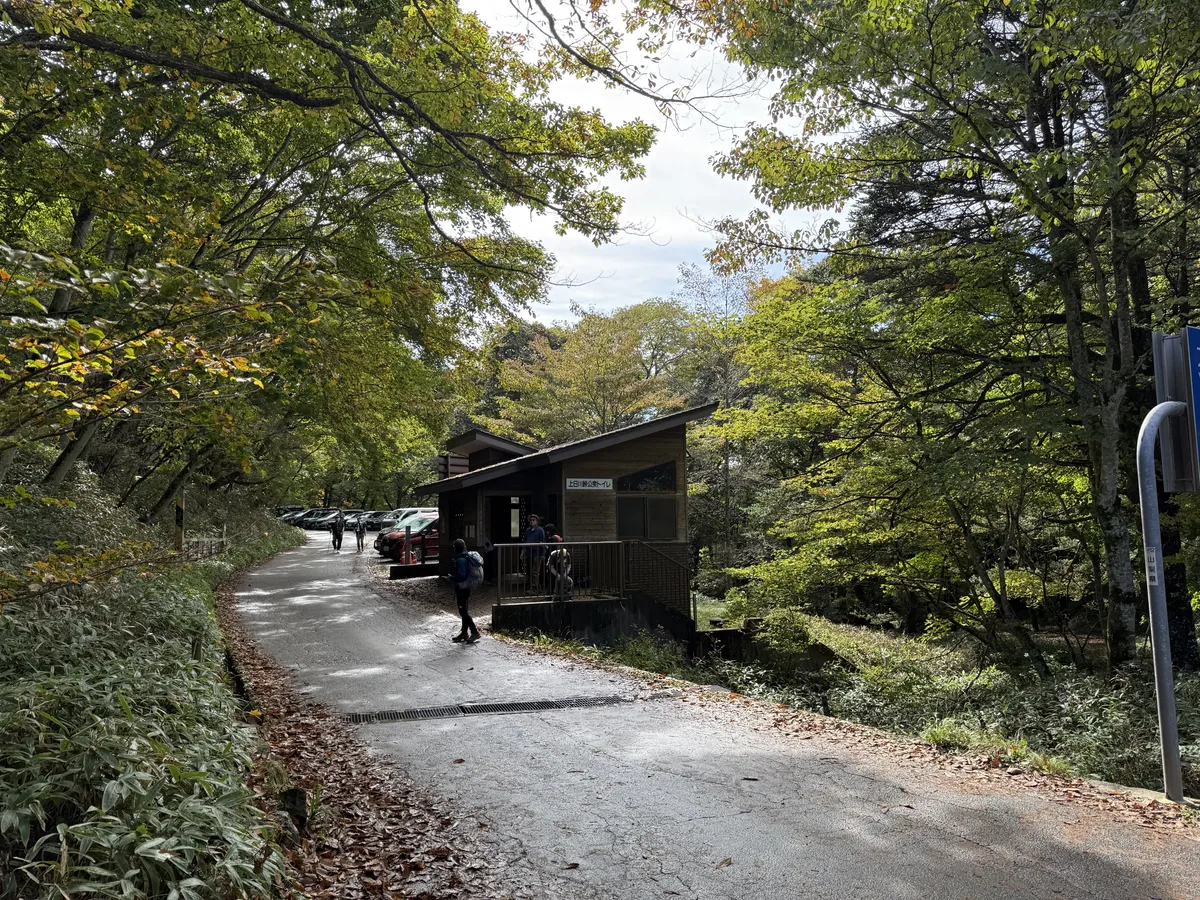
- Kamihikawa Pass (next to Lodge Chobei)
- Daibosatsu Pass (next to Kaizanso)
Mountain Hut Information
| Hut | Capacity | Season | Notes |
|---|---|---|---|
| Kaizanso | About 30 | Late April–late November | Located at Daibosatsu Pass, reservation recommended |
| Lodge Chobei | About 50 | Year-round | Located at Kamihikawa Pass, meals available |
Highlights
🌸 Spring (May–June)
- Refreshing ridgeline walk through fresh green foliage
- Azaleas and rhododendrons bloom in June
☀️ Summer (July–August)
- Cool hiking above 2,000m — a great escape from the summer heat
- Beautiful contrast of summer clouds and Mt. Fuji
🍁 Autumn (September–October)
- Larch trees along the ridgeline turn golden
- Stunning combination of autumn colors in the Kofu Basin with Mt. Fuji beyond
Packing Checklist
- ✅ Hiking shoes (the Karamatsu Ridge descent can be somewhat steep)
- ✅ Water (at least 1L recommended)
- ✅ Warm layers (summit area is 12–13°C cooler than the lowlands)
- ✅ Rain jacket (separates recommended)
- ✅ Snacks/energy food
- ✅ Sunscreen (the ridgeline is very exposed)
- ⬜ Trekking poles (helpful for the Karamatsu Ridge descent)